
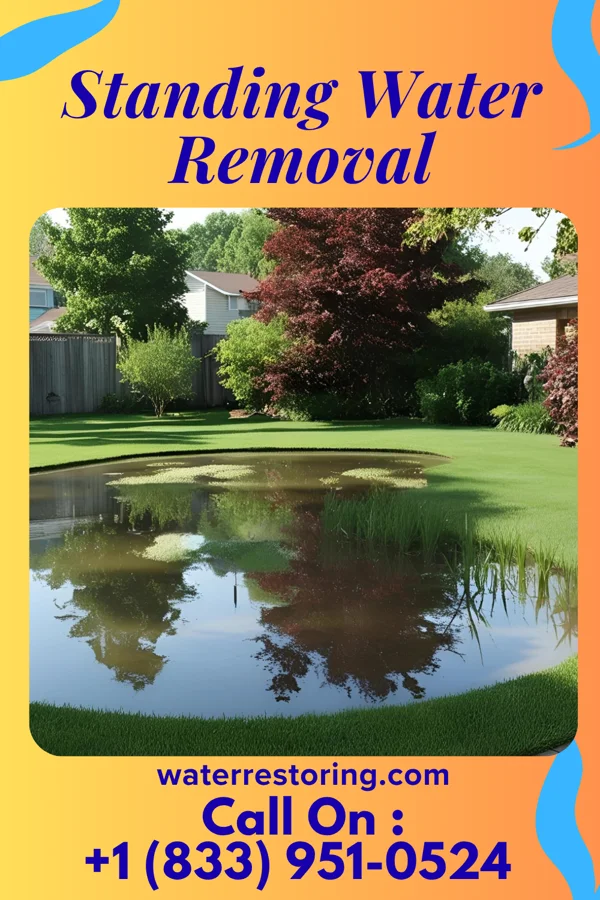
Why Wilkinsburg Standing Water Demands Fast Removal
Most water damage emergencies in Wilkinsburg start with In Wilkinsburg, Pennsylvania, the primary cause of water damage is often due to burst pipes, especially during colder months when frozen water lines can rupture. Additionally, heavy rainfall in the area can lead to basement flooding, particularly in homes with inadequate drainage systems.. A close second is Secondary causes include plumbing leaks from aging infrastructure, roof leaks during severe weather events, and sewer backups, which are more common in older neighborhoods like Edgewood and Forest Hills. Poorly maintained gutters can also contribute to water intrusion in residential properties.. From the second water touches the property, every minute changes what gets saved and what gets ripped out.
Wilkinsburg experiences a humid continental climate with cold winters and warm, moist summers, increasing the risk of condensation and mold growth. The proximity to the Ohio River also raises concerns about potential flooding and water table fluctuations.
Most standing water removal calls in Wilkinsburg come from In Wilkinsburg, Pennsylvania, the primary cause of water damage is often due to burst pipes, especially during colder months when frozen water lines can rupture. Additionally, heavy rainfall in the area can lead to basement flooding, particularly in homes with inadequate drainage systems.. Running a close second is Secondary causes include plumbing leaks from aging infrastructure, roof leaks during severe weather events, and sewer backups, which are more common in older neighborhoods like Edgewood and Forest Hills. Poorly maintained gutters can also contribute to water intrusion in residential properties.. Local mold risk: Mold growth in Wilkinsburg can occur rapidly due to the region's high humidity and frequent rainfall, making it crucial to address water damage within 48 hours to prevent health risks and structural damage.